The Illusion of Luck
Luck is often portrayed as a mysterious force that influences outcomes beyond individual control. In the realm of casinos, this perception intensifies; players frequently link their wins or losses to luck. However, the truth is more nuanced. While luck may play a part in short-term outcomes, many players enjoy the thrill of placing bets on online pokies real money , which adds an element of strategy and skill to the experience. Studies indicate that what many perceive as luck often arises from a blend of skill, strategy, and psychological factors that influence decision-making.
This concept aligns with the notion of “randomness.” Casino games, particularly those reliant on chance, such as slots and roulette, are intentionally designed to produce unpredictable outcomes. These games are governed by mathematical principles like probability and return-to-player rates, which imply that while a player may experience consecutive wins, it is often a fleeting streak of luck rather than a consistent pattern. Thus, players’ faith in luck can distort their understanding of how these games genuinely operate, leading to misguided beliefs about their chances of winning.
The allure of luck often gives rise to various myths. Many players assert that they can identify “lucky” machines or “hot” tables, attributing their successes to specific circumstances instead of recognizing the randomness involved. This mindset not only misrepresents the operational mechanics of games but can also result in poor gambling decisions driven by unfounded beliefs about luck and success. Understanding the complexity of luck versus skill is crucial for a more informed approach to gambling.
The Myth of Skill vs. Luck
Many gambling enthusiasts contend that skill can surpass luck in various games, particularly those requiring strategic thinking, such as poker or blackjack. While it is undeniable that skill plays a significant role in these games, it does not eliminate the influence of luck. A highly skilled poker player can still encounter an unfortunate hand that disrupts their winning prospects. This duality compels players to acknowledge that luck and skill coexist, often complicating their gambling approach.
Moreover, even in games heavily reliant on skill, the unpredictable nature of card shuffles or dice rolls introduces an element of chance. Statistically, skilled players may sway outcomes in their favor over time, yet in any individual game, the element of luck remains a crucial factor. This interplay between skill and luck fosters the myth that diligence and practice alone can guarantee consistent victories, when in reality, success is influenced by a combination of both elements.

Ultimately, the myth of skill versus luck can cultivate unrealistic expectations among gamblers. New players may underestimate the importance of luck, mistakenly believing that their skills will always prevail. This misconception can lead to frustration and financial losses, as they may overlook the inherent unpredictability of gambling. Emphasizing both aspects is vital for a well-rounded understanding of the gambling experience, enabling players to approach their games with a realistic mindset.
The Gambler’s Fallacy
The gambler’s fallacy is a widespread belief among players that past outcomes influence future results in independent events. For instance, if a particular number hasn’t appeared in a roulette game, some players might assume it is “due” to show up, prompting them to make betting decisions based on this erroneous reasoning. This fallacy is deeply rooted in misconceptions about probability, particularly in games of chance, where each event is statistically independent.
Mathematically, each spin of the roulette wheel is independent; previous results do not affect future outcomes. Nonetheless, players often overlook this, driven by a desire for patterns and predictability. This persistent belief can lead to significant financial losses, as it encourages gamblers to make irrational choices based on emotional responses rather than sound strategies. Educating players about the principles of random chance is essential in dispelling this myth and fostering a more rational approach to gambling.
Moreover, the gambler’s fallacy highlights the psychological aspects of gambling. Many individuals find comfort in perceived patterns, providing a sense of control amid uncertainty. This inclination can foster overconfidence and ultimately hinder the ability to engage in games with a solid strategy. Recognizing that each roll, draw, or spin represents an independent event can help players align their expectations with reality, promoting a healthier gambling mindset that prioritizes informed decision-making over superstition.
The Role of Algorithms and House Edge
In modern casinos, both physical and online, algorithms play a crucial role in game design, often dictating the outcomes of various games. This reliance on mathematical principles introduces a systematic advantage for the casino, known as the house edge, ensuring that over time, the house remains profitable. Many players mistakenly believe they can consistently outsmart the odds, failing to appreciate the long-term implications of these algorithms and how they shape the gambling experience.
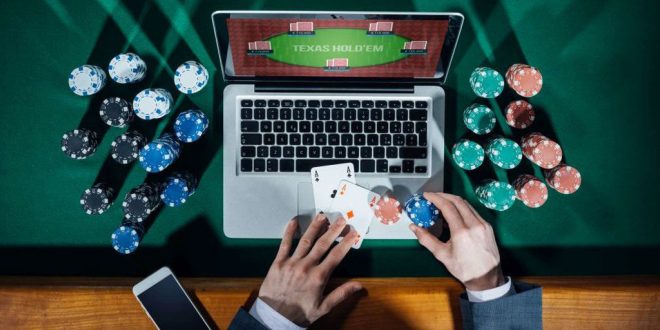
The house edge varies across different games, influencing a player’s expected return on investment. For example, while blackjack may have a lower house edge compared to slots, players must still recognize that the house always maintains an advantage. As players engage with various games, they might experience short-term victories; however, the longer they play, the more the house edge impacts their total losses. This reality often contradicts the myth of luck, illustrating that outcomes are ultimately dictated by the casino’s mathematical advantage rather than mere chance.
Understanding how algorithms and house edges function can empower players to make informed decisions about their gambling activities. Knowledge of game rules, strategies, and house odds allows individuals to approach gaming with a more realistic perspective. This shift in mindset encourages responsible gambling practices and promotes achievable goals, steering players away from the myth that luck alone dictates success in casinos. Acknowledging the influence of algorithms can lead to more strategic and informed betting decisions.
Exploring Responsible Gaming Practices
Encouraging responsible gaming should be a paramount focus within the gambling community, creating an environment where players can enjoy games without falling prey to myths and misconceptions. By promoting education regarding game mechanics, odds, and the nature of luck, players can better navigate their experiences and make informed choices. Recognizing the dual influence of skill and chance fosters healthier gambling habits, leading to more enjoyable and sustainable experiences.
Casinos and gaming platforms have a vital role to play by offering resources and support for responsible gaming. Providing information on game rules, responsible gambling tips, and mental health resources fosters a culture of awareness and accountability. Players should also be encouraged to set limits on their time and spending, reinforcing the understanding that gambling should be viewed as a form of entertainment rather than a reliable income source. This proactive approach can mitigate the risks associated with gambling.
Ultimately, debunking casino myths and promoting a responsible gaming community can significantly enhance player experiences. By comprehending the dynamics of luck, skill, and game design, individuals can cultivate a healthier relationship with gambling—one that balances enjoyment with responsibility. This approach not only benefits players but also contributes to a sustainable and ethical gaming environment that prioritizes player safety and well-being.